


Planning corporate training or e-learning videos in Dubai? This guide covers formats, process, and what makes training content actually work.
Most production problems trace back to the same root cause: something wasn’t planned
properly before the camera ever rolled. Pre-production planning commercial films Dubai
work is where a project’s success or failure is largely decided, well before shoot day, even though it’s the stage clients see the least of.
For brands and marketing teams commissioning their first commercial, or trying to understand why a production quote includes weeks of planning before filming even starts, this guide breaks down exactly what happens during pre-production, why each stage
matters, and what a well-run planning process actually looks like.
What Is Pre-Production and Why It Matters
Commercial Film Pre-Production Process work covers everything that happens between a project being greenlit and the first day of actual filming. It’s easy to underestimate because it’s less visible than the shoot itself, but a rushed or skipped pre-production stage is one of the most common reasons commercial shoots go over budget, run behind schedule, or fail to capture what the brand actually needed. Strong pre-production reduces risk on shoot day by resolving as many decisions and
unknowns as possible in advance, rather than trying to solve them under time pressure with a full crew standing by.
Video Production Planning Checklist Dubai: The Core Stages
Video Production Planning Checklist Dubai work generally moves through the following
stages, though the order and depth can shift depending on project complexity.
1. Concept and Creative Brief Development
Before anything else, the creative direction needs to be defined and agreed upon: the
message, tone, target audience, and overall visual approach. This stage typically involves
close collaboration between the brand and production team to make sure the creative vision aligns with business objectives before moving further into planning.
2. Scriptwriting
Once the concept is approved, a script or shot outline translates the creative direction into concrete scenes, dialogue, and narrative structure. For commercials without dialogue, this stage still defines pacing, visual sequence, and key messaging beats.
3. Storyboarding for Commercial Video
Storyboarding for Commercial Video visualizes the script scene by scene before filming,
mapping out camera angles, composition, and transitions. This is one of the most
cost-effective stages to catch creative misalignment, since revising a storyboard is far
cheaper than reshooting a scene that didn’t match expectations.
4. Location Scouting for Commercial Films Dubai
Location Scouting for Commercial Films Dubai involves identifying, visiting, and securing
filming locations that match the creative vision, while also confirming practical factors like
lighting conditions, access, permits, and noise levels. In Dubai specifically, this stage often includes securing the necessary filming permits well in advance, since location approvals can take meaningful lead time depending on whether the shoot is on public or private property.
5. Casting for Commercial Films Dubai
Casting for Commercial Films Dubai identifies and secures talent, whether that’s
professional actors, brand spokespeople, or real customers and employees for
testimonial-style content. Casting typically involves auditions or portfolio review, followed by scheduling coordination with the rest of the shoot timeline.
6. Crew and Equipment Planning
Based on the creative and technical requirements defined earlier, the production team
assembles the right crew, camera equipment, lighting setup, and any specialized gear, such as drones or tracking rigs, needed to execute the shoot as planned.
7. Film Production Scheduling Dubai
Film Production Scheduling Dubai brings every previous stage together into a detailed
shoot-day timeline, sequencing scenes efficiently based on location availability, cast
schedules, and lighting conditions, while building in reasonable buffer time for the inevitable delays that come with any live shoot.


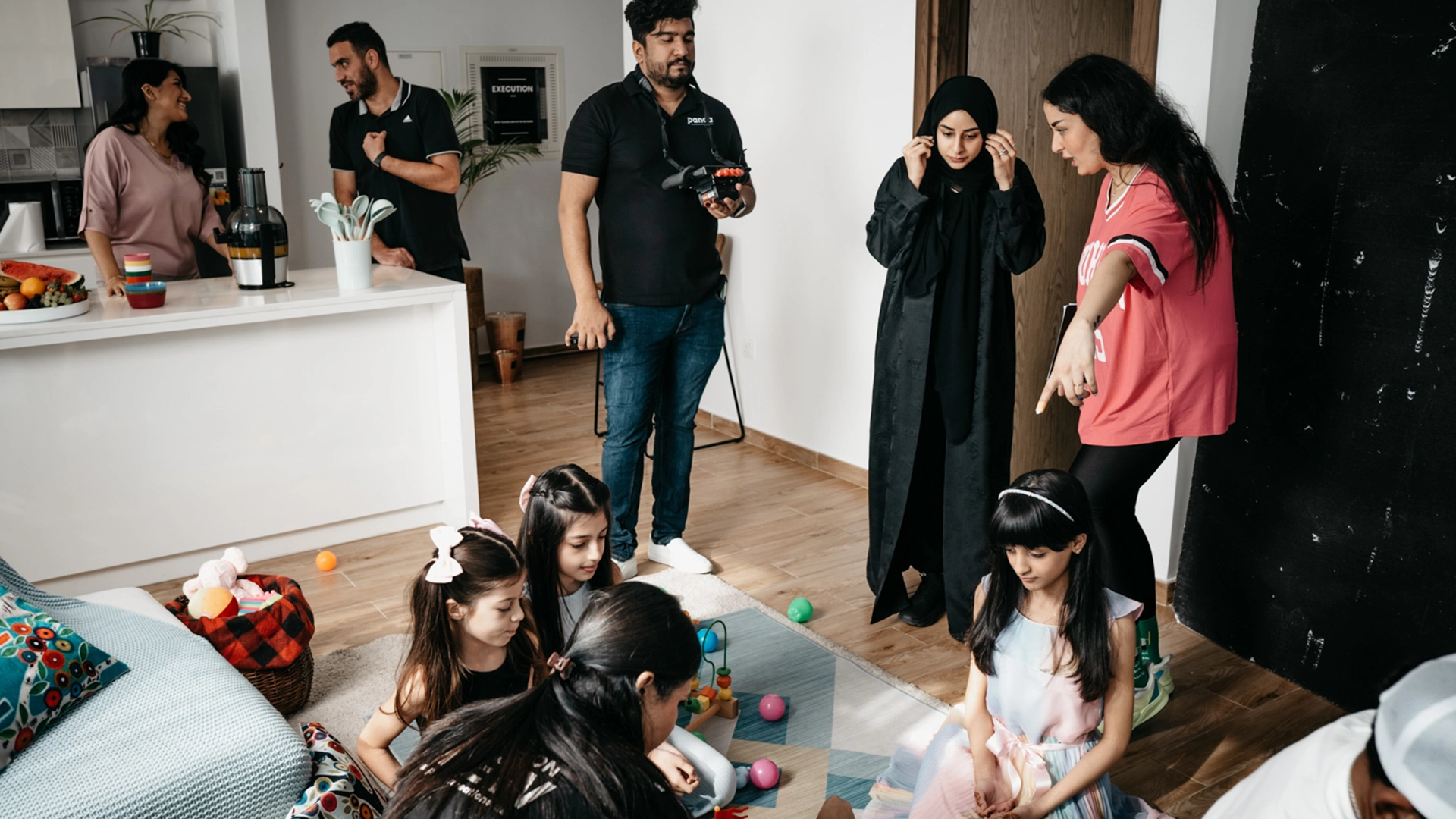
How to Plan a Commercial Shoot: Practical Considerations
How to Plan a Commercial Shoot successfully comes down to a few practical habits that
experienced production teams apply consistently:
● Lock creative direction before scheduling. Changes made after a shoot date is
set become significantly more expensive and disruptive than changes made during
concept development.
● Build in contingency time. Weather, permit delays, or talent availability changes are
common enough that a shoot schedule without buffer time is a shoot schedule likely
to run into trouble.
● Confirm permits early, not last-minute. In Dubai, filming permits, particularly for
public locations or specialized equipment like drones, often require lead time that isn’t
compatible with a fast-tracked production timeline.
● Align stakeholders before shoot day, not during it. Any brand-side approvals or
sign-offs should happen during pre-production, since revisiting creative decisions
mid-shoot wastes expensive crew and equipment time.
Pre-Production Services Dubai: What a Studio Typically Handles
Pre-Production Services Dubai offered by a full-service studio typically extend well beyond just scriptwriting. A strong production partner manages location scouting and permitting, casting coordination, crew assembly, equipment sourcing, and detailed scheduling, essentially absorbing the logistical complexity so the client’s role stays focused on creative direction and approvals rather than production logistics.
This comprehensive approach is part of what separates a genuinely full-service studio from one that only shows up on shoot day. Panda Creations’ commercial film production service is built around this full pre-production process, not just the filming stage itself.
Pre-Production vs Production vs Post-Production: Understanding the Full Timeline
Pre-Production vs Production vs Post-Production breaks a project into three distinct phases, each with different priorities:
● Pre-production is planning and preparation, concept, script, storyboard, locations,
casting, and scheduling, typically taking longer than most clients expect relative to
the shoot itself.
● Production is the actual filming, usually the shortest phase in terms of calendar
days, but the most resource-intensive in terms of crew and equipment cost per day.
● Post-production is editing, color grading, sound design, and final delivery, often
running in parallel with client review and revision rounds.
Understanding this breakdown helps set realistic expectations for project timelines, since a one-day shoot might still sit within a multi-week overall production schedule once pre- and post-production are accounted for.
Commercial Shoot Planning Company Dubai: What to Look For
When evaluating a Commercial Shoot Planning Company Dubai, a few signals indicate a
studio that takes pre-production seriously rather than rushing toward the shoot:
● A defined pre-production process, walking clients through each stage rather than
jumping straight to scheduling a shoot date.
● Local permit and location expertise, since navigating Dubai’s filming permit
requirements efficiently comes from direct experience, not general production
knowledge.
● Clear communication during planning, keeping clients informed and involved at
each decision point rather than presenting a finished plan with no input opportunity.
● Realistic scheduling, building appropriate buffer time rather than promising
unrealistically compressed timelines that increase risk on shoot day.
This overlaps with the broader vendor evaluation criteria covered in this guide on how to
choose a video production company in Dubai, which applies directly to assessing a studio’s pre-production capability specifically.
How Pre-Production Complexity Varies by Project Type
Pre-production requirements scale significantly based on project type. A luxury brand film, for example, typically requires more extensive location scouting and lighting pre-testing than standard commercial work, as covered in this guide on luxury brand commercial film production. Similarly, FMCG productions often require more detailed shot-list planning upfront to maximize the multiple deliverables needed from a single shoot day, a consideration covered in this guide on FMCG commercial production.
FREQUENTLY ASKED QUESTIONS
How long does pre-production typically take for a commercial shoot?
Timelines vary significantly by project complexity, but pre-production often takes longer than the shoot itself, particularly when permits, casting, and multiple locations are involved.
What’s the most commonly skipped pre-production stage?
Storyboarding is often rushed or skipped on tighter budgets, but doing so increases the risk of creative misalignment being discovered on shoot day, when changes are far more expensive to
make.
Do I need to lock my script before location scouting begins?
Generally, yes. Location scouting is most effective once the script or shot outline is finalized, since location requirements often depend directly on specific scenes described in the script.
How far in advance should filming permits be arranged in Dubai?
Permit timelines vary by location type and required approvals, but it’s generally best to begin the permit process as early as possible in pre-production rather than waiting until closer to the shoot date.
Can pre-production be shortened for a tight deadline project?
Some compression is possible, but skipping stages entirely, particularly storyboarding or location confirmation, significantly increases the risk of costly issues arising during the actual shoot.
Timelines vary significantly by project complexity, but pre-production often takes longer than the shoot itself, particularly when permits, casting, and multiple locations are involved.
Storyboarding is often rushed or skipped on tighter budgets, but doing so increases the risk of creative misalignment being discovered on shoot day, when changes are far more expensive to
make.
Generally, yes. Location scouting is most effective once the script or shot outline is finalized, since location requirements often depend directly on specific scenes described in the script.
Permit timelines vary by location type and required approvals, but it’s generally best to begin the permit process as early as possible in pre-production rather than waiting until closer to the shoot date.
Some compression is possible, but skipping stages entirely, particularly storyboarding or location confirmation, significantly increases the risk of costly issues arising during the actual shoot.
Gallery


The quality of a commercial film is largely determined before filming ever begins. Strong pre-production planning reduces risk, controls cost, and ensures the final result actually matches the creative vision the brand set out to achieve. If you’re planning a commercial shoot and want a production partner who treats pre-production as seriously as the final film, you can start a project with
Panda Creations directly.
View more interesting topics
Tab 1
Tab 2
Tab 3

admin
AuthorThank you for reading. Explore more articles from our blog.